
Social media predictions 2026
(aka: why you should trust the girl who called rage-bait becoming Word of the Year)
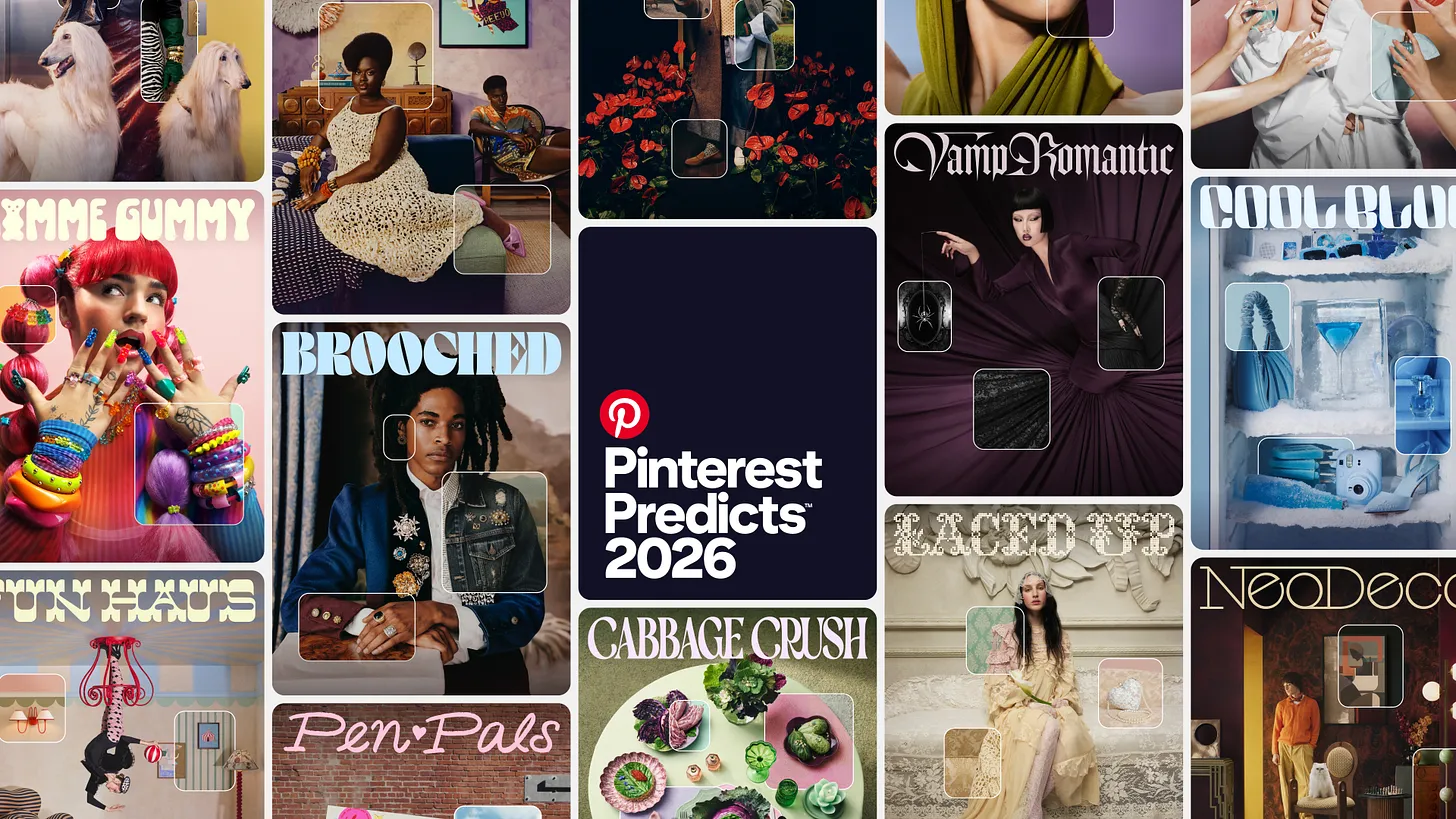
According to the Pinterest Predicts 2026 report, we’re entering a year defined by nonconformity, self-preservation, and escapism.
That means the era of cookie-cutter aesthetics, perfectly curated feeds, and “safe” brands is quietly ending. What’s rising instead is: bold individuality, maximalist expression, and a remix on Gen Z and Millennials nostalgia.
In short: 2026 is shaping up to be a rebellion against the bland and algorithmically approved.
Before a trend becomes a trend, it usually flickers like whispers in niche communities, out-of-context screenshots, a random meme no one has context for yet. I watch what fandoms obsess over, what users reject, and how platforms quietly reshape the way we behave.
I’m not just forecasting from spreadsheets, I’m reading the emotional physics of online culture in real time.
I’m calling it here first, so think of this as your close friends insider sneak peek.
And right now? The internet is about to take a hard turn.
my credentials (aka why you should trust me)
A quick résumé for the uninitiated:
I’ve been studying cultural cycles, platform shifts, and creator behavior for half a decade.
I help run a whole newsletter about trends and culture called Silence, Brand!
I’ve consulted with creators, marketers, brand founders, and social teams across industries—from beauty to entertainment —to help them decode what social actually wants from them.
And best of all?
I’m extremely online. Terminally. Chronically. A borderline occupational hazard.
But the real credibility?
My predictions age well… A little TOO well.
Here’s proof:
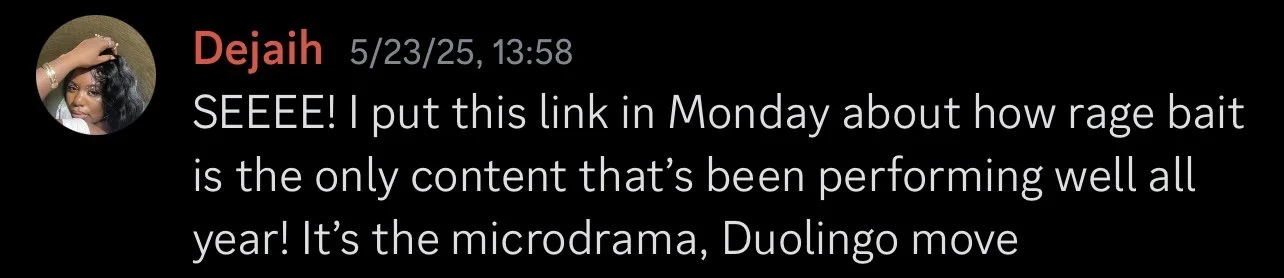
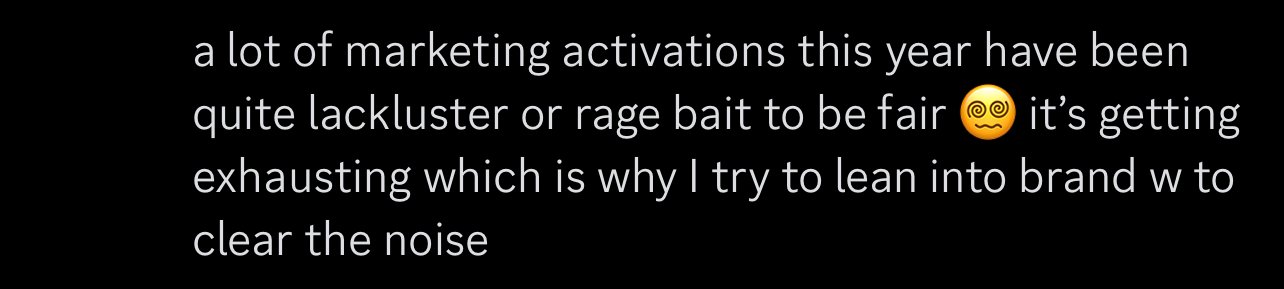
Spectacle Rate was the real KPI this year. A last minute trend I clocked at the beginning of the year was rage bait (yes, Oxford’s Word of the Year) and recognized it from creators doing a series of crazy or obvious stunts and Duolingo helped me give name to the concept after their stunt this year (iykyk) that I call “microdrama.”
[add screenshots here]
my 2025 predictions report card (spoiler: I was right)
Let’s revisit what I forecasted for 2025 and how things turned out.
I’m giving myself a 90% accuracy rating
Here’s the list from last year:
🔮 brands get more comfortable showing their personality
Verdict: Each brand really established a voice that wasn’t just “Duolingo unhinged community manager.” Slim Jim was a favorite of mine to watch capture this throughout the year.
🔮 brands hire more content creators to host live events
Verdict: TikTok Shop Lives were practically a shopping channel. I saw brands like Elemis really rely on keeping up with their community via TikTok Live and now Kim Kardashian is seeing the power of TikTok Shop via Skims.
🔮 more experiential marketing via social-first campaigns
Verdict: Pop-ups, brand worlds, and IRL photo ops exploded. More brands will catch up in 2026 (because it takes a BUDGET).
🔮 refined outbound community management tactics
Verdict: No more random brand replies. Teams got intentional. The comments sections weren’t just littered with brands using the space like a billboard but brands that made their presence make sense to the video context.
🔮 rise in VIC influencers (very important creators)
Verdict: Micro? Macro? Doesn’t matter. Influence > follower count. If they’re spending big bucks in store, that’s what matters to the brand. They end up being the ones to share their haul on socials and end up on everyone’s moodboad or inspo shopping wishlist like Morgan Stewart.
🔮 rise in petfluencers
Verdict: Moo Deng had some competition this year. So many people are showing off their dogs, cats, horses–you name it! If I had a dollar for every pet trend I saw this week, I’d be rich! Since pet owners learned they could monetize their furry friends, they’ve been raking in the partnerships.
🔮 more influencers create spam accounts for their “real” selves
Verdict: The rise of soft-launch personality content. Many of my personal favorites reported using their spam to be less polished, show who they truly are, and just yap without impacting their brand safe image on their main (money-making) platform.
🔮 surge in female perfume & luxury timepiece creators
Verdict: No only did my favorite creators from #PerfumeTok see major growth and lots of brand partnerships this year, so many celebrity girlies from Sabrina Carpenter to Khloe Kardashian dropped a perfume this year. As far as luxury watch creators, this was very niche with resellers becoming a hyperfixation for many with women taking over the watch world.
➖ increased use of AI chatbots
Verdict: Yes, but not as dramatic as I predicted. It seems many consumers became increasingly anti AI as the year went on.
🔮 another new social platform emerging
Verdict: Not soon after the TikTok ban in the US, we got Rednote. I know people that still log on too!
Not bad for someone making educated guesses from vibes, data, and way too much time on the internet.
my trend prediction philosophy
My trend-spotting comes from three things:
1. cultural temperature checks
What are we yearning for? Rejecting? Romanticizing?
Remember: The internet moves in emotional waves, not product cycles.
2. platform behaviour patterns
Every social platform eventually becomes the thing it was invented to disrupt.
That cyclical decay ends up revealing a transition, opening up what people will be into next.
Note: If you see it 3 times or more, it’s likely a trend.
3. micro-community intelligence
Personalities, identities, and selves, start in tiny corners of the internet. Think: fandom edits, subculture jokes, niche creators, even private Discords—not on TikTok’s For You Page.
When all align?
The future reveals itself.
You’ve discovered the next “cool” thing before “cool” is forced to be something else.
my 2026 social media & trend predictions
(bookmark this so you can call me Raven when these all come true)
2026 will be all about tastemaking (aka extreme personalization to truly fit with people’s personality). However, I’m predicting these are the 5 shifts we’ll see sprout from social:
brand spam accounts
We’ve seen brands like Netflix, Dunkin’, and Bloom start brand spam accounts this year. Creators already created spam accounts in mass–as I predicted–this year to produce more “slow content” (meaning not heavily edited), more natural vs brand safe. More brands will definitely follow suit BUT ONLY IF (1) they get the team members needed for this and (2) figure out what their most loyal or niches personas of their audience want to see from them in this space.
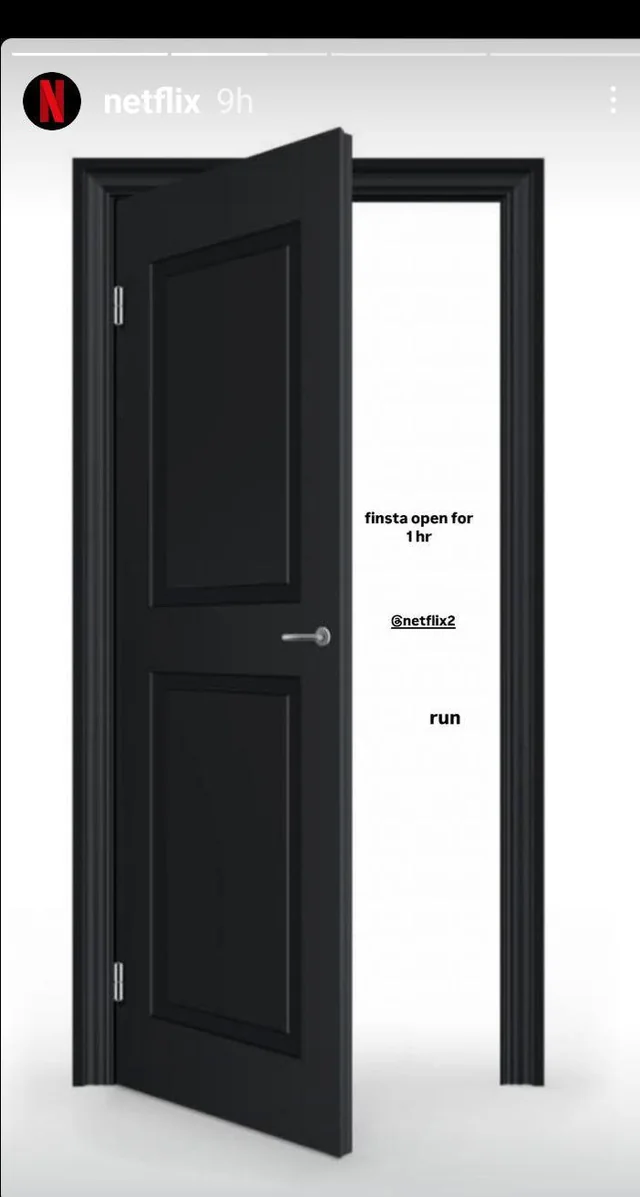
image source: https://www.reddit.com/r/netflix/comments/1ldciq5/netflix_opened_a_finsta_account_for_an_hour_did/
creator brand takeovers
One of the most notable creator brand takeovers of this year was Leah Kateb of Love Island Season 6 revamping Skylar Perfume as their “Re-Founder” & Chief Creative Officer. While this isn’t new, it’s a shift in creators just doing collaborations or long term contracts as we’ve seen recently, but having real stake in companies they believe in. So get ready to see more Chief Creative Officers and influencer shareholders like Alix Earle’s relationship with Poppi. This will be the way brands will get closer to Gen Z in a more calculated way.
third spaces
The people yearn for community now in this Post-COVID world.
This year we’ve seen brands takeover cafes to tap into the benefits of the “little treat culture.” We’ve seen brands like [Fenty take this concept on the road](https://cosmeticsbusiness.com/fenty-beauty-fenty-cafe-roadshow-pop-up#:~:text=The pop-up will introduce,Buchanan Street on 14 September.) for a mini-tour and brand partnered partnerships like Shopify’s Magic Mirror event for Rare Beauty.
Cafe experiences to Run Clubs attract a community that is already established. Brands attach themselves to infiltrate the lifestyle of their consumers and enhance their experience and memory with the brand.
We’ll see creators and influencers that also have the ability to be curators be the most valuable to brands in 2026. They won’t just be going viral online but translating that success in market value, inspiring people to show up in person.
Note: Bonus points if you include some sort of crafting element during these social moments. Why? Because personalization gives you a core moment shared with your audience and creates FOMOs for those that couldn’t make it.
2026 = 2016
We’re heading straight into 2016 2.0.
But this time it’s not about flower crowns and minimalism; it’s about identity remixing and radical personalization.
Everyone is always reminiscing about Summer ‘16 .
2016 was the year of moodboards, soft grunge, full glam, hyper-specific micro-aesthetics similar to the 80s (which we’re seeing 80s luxury make a comeback now). 2026 is bringing all of that back but elevated by all things Gen Z.
Expect to see:
⚡ Maximalist individuality ⚡ Nostalgia-soaked identity building ⚡ Unpolished (but purposeful) feeds
It gives “be a brand, but do it casually.”
The rejection of the algorithm’s sameness is fueling a return to personal taste (again, something we haven’t seen at this scale since 2016). It’s Tumblr-core, Pinterest-but-feral…A moodboard girl renaissance if you will.
Brands that thrive will be the ones that let people customize, co-create, remix, and play again. We’re stepping back from just digital and mixing a digital era with analog bits where the personality is the product.
rise of the polyvore
A term used by early 2000s marketers looking for the next best trend or trendsetter was “cool hunting.” In 2026, I anticipate that brands will go “cool hunting” via the polyvores of the world (and internet). These are the under the radar people that are good at curating a desirable dream life. They find the next intriguing aesthetic in everything. They’re the 20% that will inspire 80% of consumers buying power.
2026 will thrive off of a “vibe economy” just like the early 2000s when Sprite established their vibe through hip hop culture and teens that watched MTV.
Bloggers that make vibes and worlds will be invaluable to brands looking to market to Gen Z and Gen Alpha. Taste will be monetized, so the Polyvore, Tumblr, Pinterest, and We Heart It curators will hold the keys to this.
Resource: For more of what I think we’ll see in 2026, check out my breakdown on some of the things found in the Pinterest Predicts 2026 Report sure to dominate next year.
tl;dr
2026 is shaping up to be: the Year of the Tastemaker.
Nobody will be gatekeeping their weird, so they can stand out from the sea of algorithmic clean girl-ness.
Everyone is noticing how the algorithm has ruined their personal taste, and they’re going make everything personal and unique to them.
Brands will win the year studying their buyers personas, focusing on the data from psychographics and fandoms.
So, don’t worry!
The creator economy isn’t dying.
Social media isn’t oversaturated.
Platforms aren’t collapsing.
They’re evolving.
If you know where to look, it’s obvious which way the current is flowing.
And I’ll be right here, watching the internet in real time so you don’t have to.
XOXO,
Your favorite digital anthropologist

Social Media Manager, Influencer Marketer and Creative Strategist
