the TfL social team entered the chat 💬
Welcome back to entered the chat, the monthly series where I sit down with a team or marketer I'm a little bit obsessed with and get them to tell us what's working, what they've learned, and the thinking behind the work the rest of us admire from the outside.
This month it's Transport for London: the Tube, buses, the Overground, the DLR, the Elizabeth line, trams, the cable car, river services, roads, cycling, and that's not the full list. An audience of millions, governance most of us will never have to work within, and a feed that still manages to be one of the most enjoyable things on my timeline. How
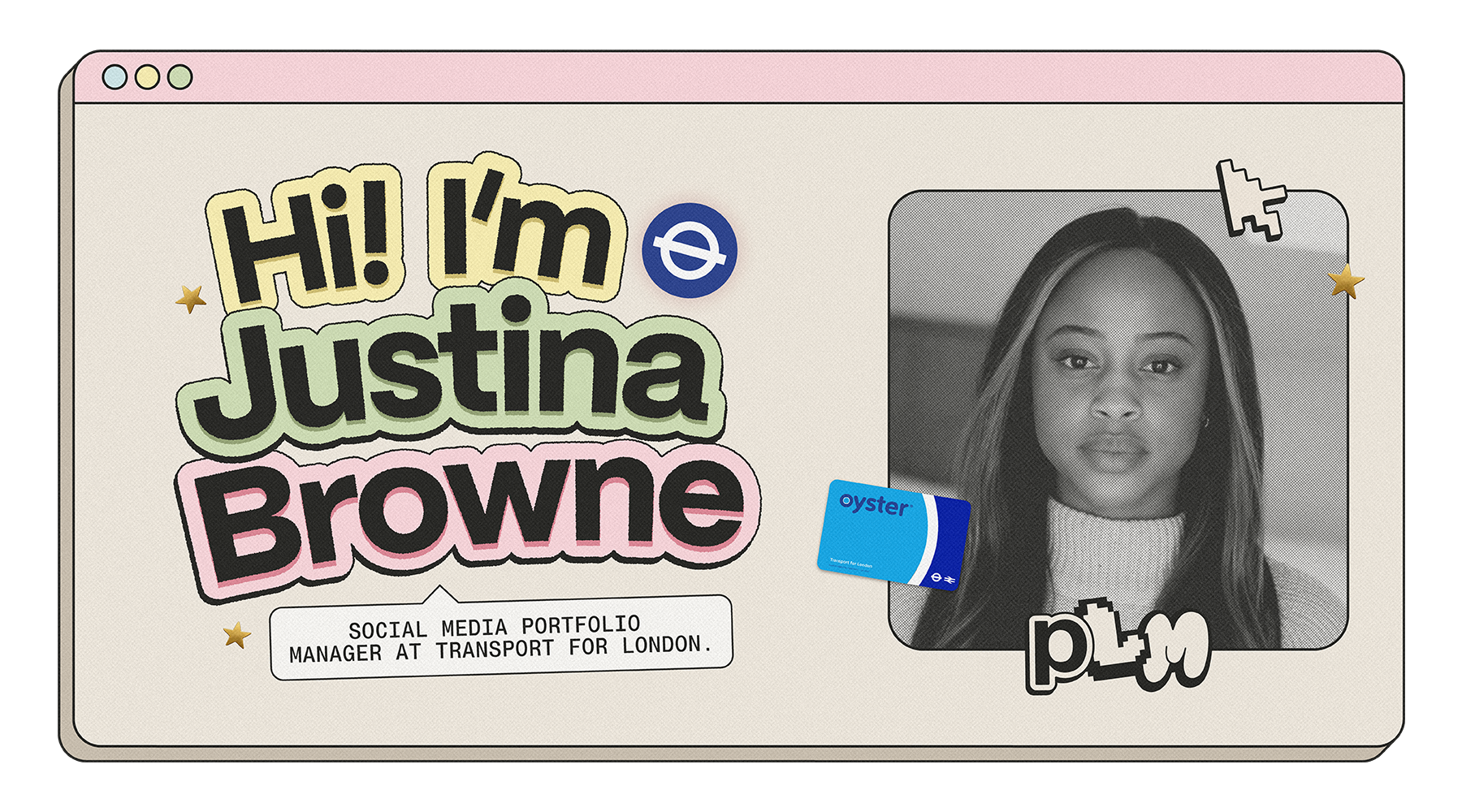
Justina Browne, Social Media Portfolio Manager, and the wider social team took me through where their ideas come from, how a fun one survives sign-off, and where they draw the line. Enjoy!
First things first, what does your set-up look like day to day, and what does the approval process look like before something goes live?
Our social media team is split into three core workstreams: Marketing, Commercial, and Vision & Values.
Marketing focuses on customer behaviour change and campaigns that encourage people to use our services.
Commercial looks after brand partnerships, sponsorships such as Santander Cycles and the London Cable Car, and the high-profile activations you might see, such as station takeovers and other creative collaborations.
Vision & Values covers press and corporate communications, employee communications and travel demand management.
Each workstream receives briefs from different teams across TfL. Once a brief comes in, it's assigned to the most appropriate workstream, where the team works with the stakeholder to understand the objectives and agrees the best way social media can support. Once that approach is signed off, we develop the content collaboratively, with ideas shared, refined and sense-checked within the team.
Draft content is then sent to the stakeholder for approval to ensure it's accurate and meets the agreed objectives, with additional approvals where governance requires them. After it goes live, we monitor performance and, a few days later, provide stakeholders with a report on how the content performed, with insights that can help inform future campaigns.
That's a lot of process! What makes social for TfL trickier than most, and where's the fun in that challenge?
One of the biggest challenges is the sheer scale and complexity of TfL. Many people only associate us with the London Underground, aka 'the Tube' and buses, but we are responsible for a much broader network, including London Overground, Docklands Light Railway (DLR), the Elizabeth line, London Trams, the London Cable Car, river services, Dial-a-Ride, roads, walking and cycling infrastructure, tunnels and piers.
We also serve a huge, diverse audience with differing needs and expectations, meaning our content must remain inclusive, accurate and relevant. As a publicly funded organisation, there is significant governance and stakeholder involvement, and the margin for error is very small.
At the same time, that's what makes the role rewarding. The variety of projects, the opportunity to create content with global reach, being able to work with an iconic brand, and the challenge of finding creative ways to make transport engaging make the work incredibly exciting!
With that much to get through, how do you spot a moment worth reacting to and still move fast enough to catch it?
We hold regular weekly social meetings, alongside ad hoc discussions when opportunities arise. Strong relationships with frontline teams across the organisation also enable us to source relevant content quickly, helping us react to trends in a way that remains authentic to each transport mode while still meeting approval requirements.
Talk me through one that made it. Pick a campaign you're proud of, start to finish.
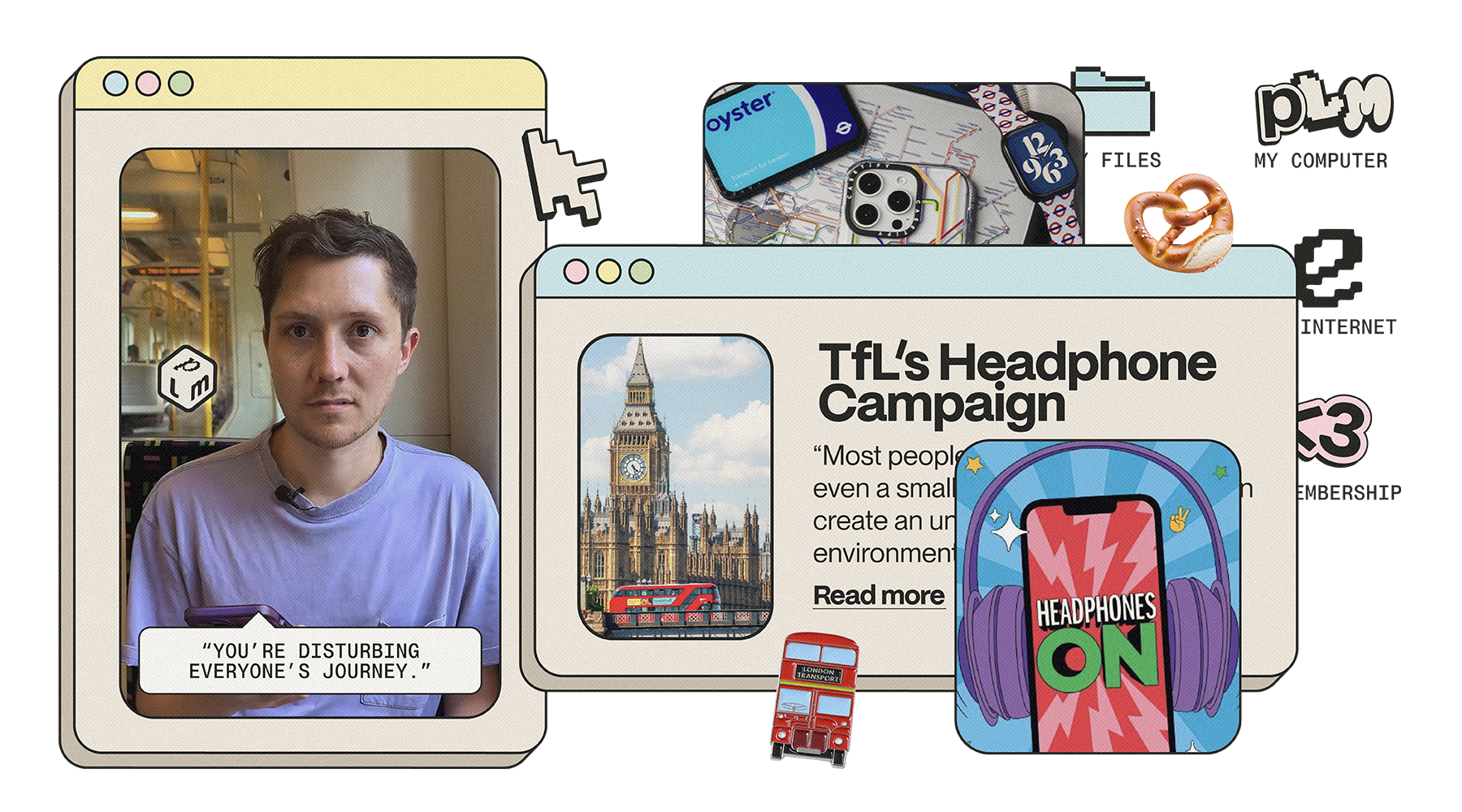
One campaign we're particularly proud of was the 'Headphones On' Travel Kind campaign, which encouraged more considerate behaviour on public transport by tackling the issue of loud audio.
The idea came from recognising that traditional instructional messaging wasn't connecting with younger audiences on social. Instead, a creator-led approach was tested, partnering with a comedic duo who created relatable, platform-native content that used humour to encourage self-reflection rather than tell people what to do.
The creators were given clear behavioural objectives and creative guardrails while allowing them the freedom to produce authentic content. Internally, confidence also had to be built in using a more light-hearted tone for a public sector campaign, so we took a test-and-learn approach and worked closely with stakeholders throughout.
The campaign delivered over two million video views, generated strong engagement and national media coverage, and, most importantly, contributed to an increase in considerate travel behaviour from 68% to 70%. It proved that creator-led storytelling can deliver real behaviour change in a highly cost-effective way.
You mentioned that your Headphones On needed internal confidence-building. When you've got an idea that's fun, how do you frame it so it lands with the people who need to sign it off?
The key is to start with the purpose behind the idea, rather than just the idea itself. A fun concept is much easier to get buy-in for when you can clearly show what it's helping us achieve, whether that's improving engagement, reaching a new audience, making information more memorable, or strengthening our relationship with customers.
We also make sure we've considered the risks upfront: does it feel right for TfL, does it align with our tone of voice, is it respectful to customers and colleagues, and could it be misunderstood?
The creative idea is the vehicle that helps us achieve the goal. We ask ourselves: why would our customers care about this? What value does it give them? What do we want them to take away from it?
Ultimately, we're not trying to be funny for the sake of it, we're using creativity as a way to make our messages more engaging and accessible.
Where's the line between having fun and staying on-brand?
Our approach to content is grounded in responsibility, trust, and maintaining a strong duty of care towards both our customers and colleagues. While we want our social presence to be engaging, creative, and capable of surprising and delighting our audiences, we also recognise that we are a trusted voice. As a result, we are mindful that adopting a more "unhinged" style of content (such as some brands known for highly chaotic social personalities) would not always align with what our customers expect from us.
Because customers rely on our network and services, we are particularly careful not to make light of issues or disruptions that impact them. We also take care to protect our customers by not using them purely as content opportunities to drive engagement.
For a marketer who's a team of one, with a cautious boss and no budget, what's the version of all this they could pull off?
The first thing is to manage expectations and focus your efforts: you don't need to be everywhere. Pick one or two channels where your audience is most engaged and concentrate on doing those well.
Start small with low-risk ideas: try a relevant, safe trend or a simple creative format, measure the response, and use the results as a case study to demonstrate what worked. Showing positive engagement or audience reaction can help build confidence and create buy-in for trying more ambitious ideas in the future.
Creativity doesn't always require a big budget; often it's about understanding your audience, being consistent, and finding opportunities to make existing content work harder.
And there you have it! A huge thank you to Justina and the TfL social team for being so generous with the behind the scenes, and for proving that a brand can be careful and still be good fun.
If you want more, we pulled our favourite bits into a carousel over on Instagram. And whilst you're here, let us know who you'd love us to poke next month, we're always taking names. And if you or your team are up to something interesting, please don't be shy, pitch me. Just hit reply and tell me what you're working on!
Sophie x
Join the list
We save our biggest ideas for the inbox. Entered the chat and Deep dive go deeper than we ever do on the grid, sign up to get them first.
Sign up to receive updates and marketing emails from us. You can unsubscribe at any time.