Founder-led marketing is everywhere, and most of the founders doing it well make it look effortless, filming from factory floors, podcast sets and the back of taxis. Behind a lot of them is someone holding the camera, writing the LinkedIn posts and scripting the brand deals, and that role is starting to get a name of its own.
Sophie Milham is founder brand manager to Odd Muse founder Aimee Smale, and she’s letting us into the rise of the role. She shares what the job involves, how it works day to day and where she thinks marketing is heading.
PS. Get our interviews and deep dives straight to your inbox every month and sign up to our free newsletter, The Round Up.
A founder brand what?
A founder brand manager looks after everything with the founder's face on it. For Sophie, that covers Aimee's personal content and LinkedIn, paid ads, brand partnerships and the socials for her podcast Pretty Busy, and she sums it up simply: “Wherever Aimee's face is, I'm also there.”
It's a hard job to explain on a night out, and the most common assumption is that it's assistant work. Sophie sees it as closer to being a second brain, someone who knows the founder well enough to judge what she'd post, wear, say yes to or turn down: “I'm kind of like a second pair of eyes for Aimee, or a second brain.”
The same work is popping up under different job titles across very different companies, from PayPal's Head of CEO Content running its chief exec's social, comms and thought leadership, to Verity Park and Osman Badat hiring a Personal Brand Manager to turn their voice notes into scripts, run four platforms and turn DMs into opportunities. For Sophie, being early to it feels like being “on that train while everyone's kind of seeing it go past.”
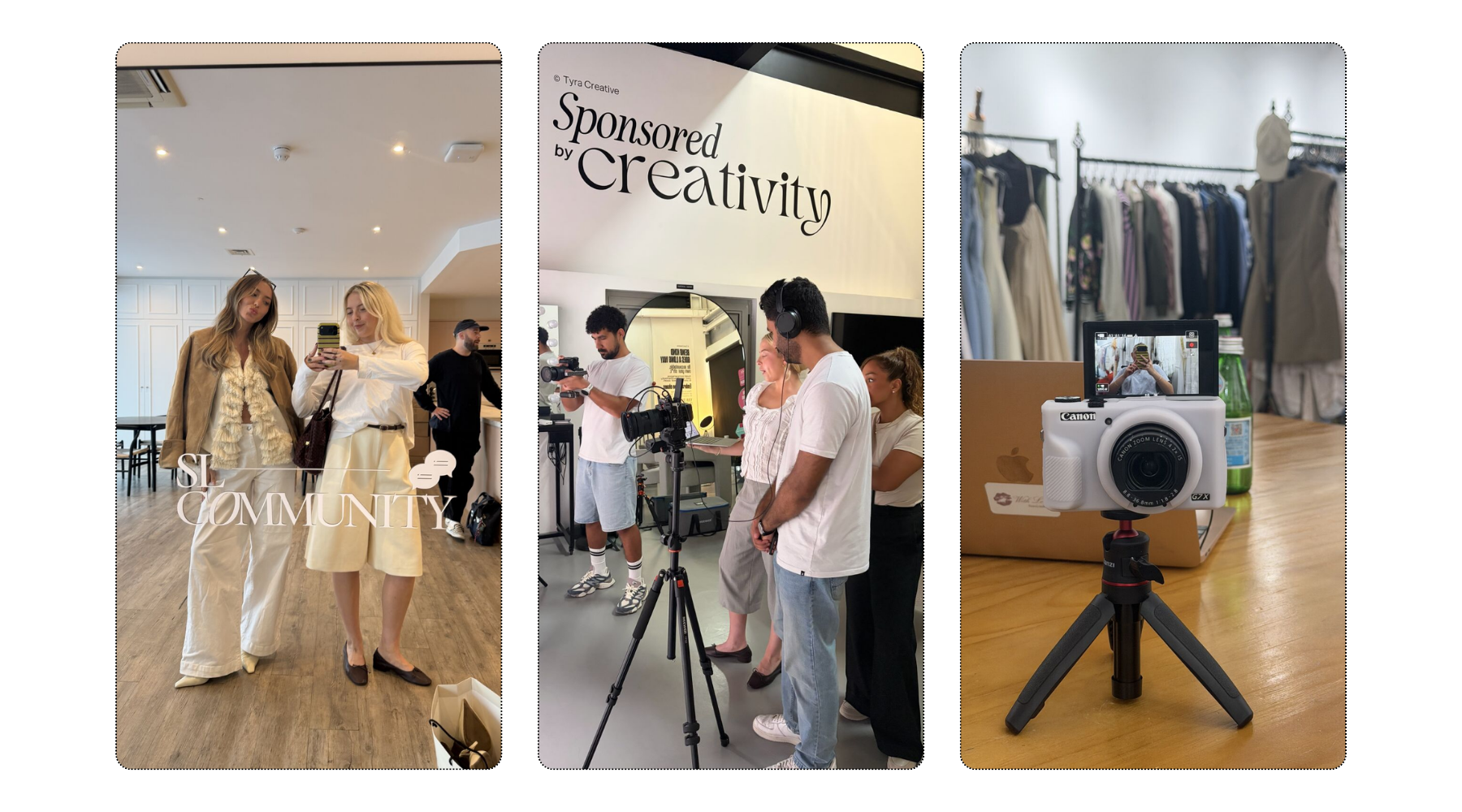
When Aimee's in town, a single week can include three Pretty Busy episodes filmed back to back, an appearance on SheerLuxe's Cafe Confessions, Odd Muse events and a staff day, with Sophie capturing behind the scenes throughout and editing as she goes: “I thrive filming there and then and posting in the night.” Quieter weeks have a steadier rhythm, with podcast clips cut and scheduled by Tuesday and the rest of the week spent on partnership briefs, LinkedIn, carousel ideas and the monthly vlog.
That pace is why a rigid content calendar rarely works. “Strategy doesn't really tend to work with founders because they're a little bit all over the place,” Sophie says, so she works to content pillars instead, the main one being that Aimee's content can't only be about Odd Muse. Their best-performing content, a day-by-day series from a manufacturer trip to China, had no plan behind it at all, while the more deliberate calls go on moves like Pretty Busy collaborations that introduce the podcast to a US audience.
Measuring it is less straightforward than a brand role too, since a founder's content doesn't always tie neatly back to sales, so Sophie looks at what it does for the wider ecosystem of Aimee, the podcast and the brand.
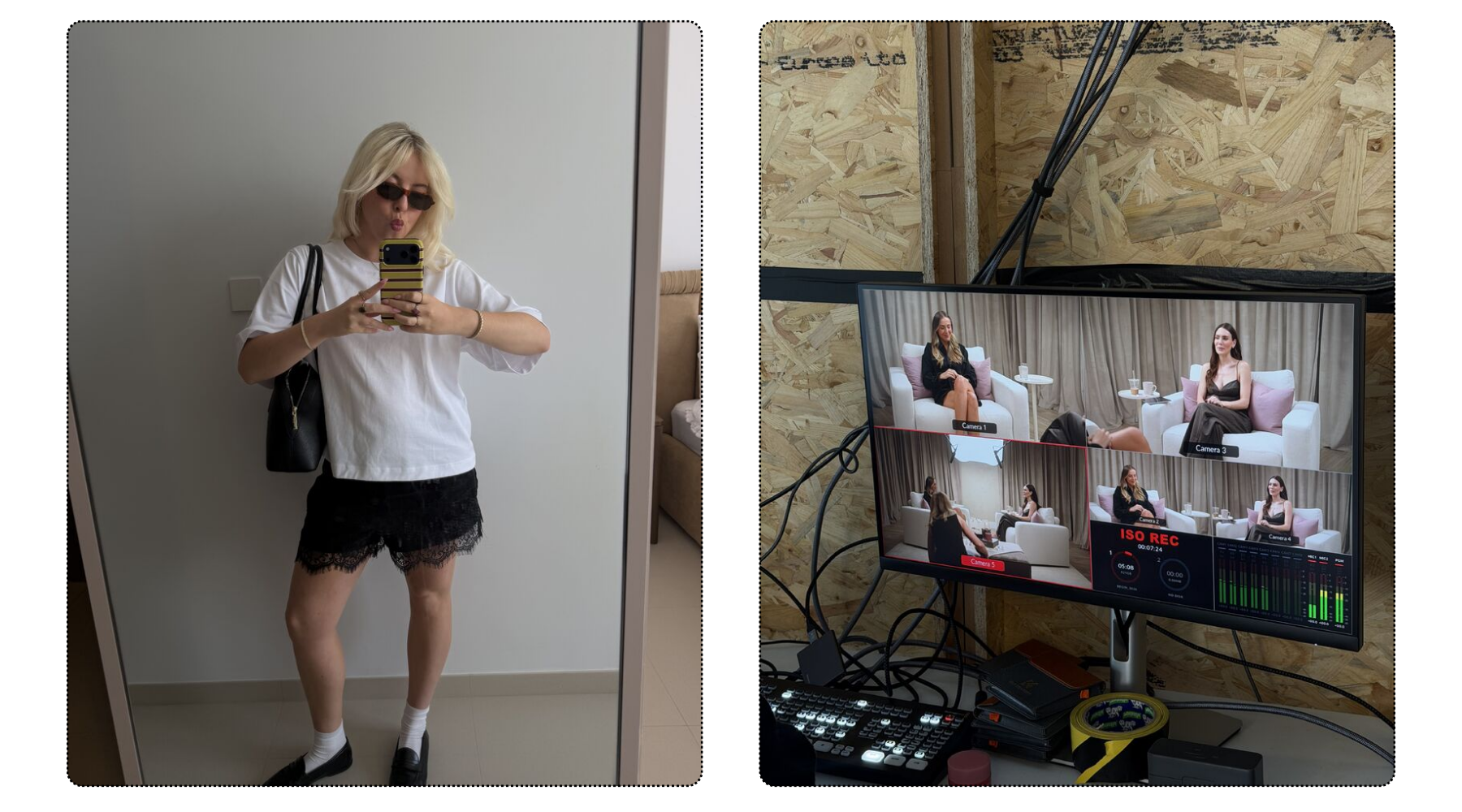
Execution comes down to sounding like the founder. Aimee writes her own Instagram and Substack, so Sophie starts from her words: “I take her Substack articles and turn them into LinkedIn posts, so it's the things she's said, just made a bit more LinkedIn.” Three years side by side do the rest, to the point where Aimee's talent agent reads her drafts as Aimee's own, though the occasional miss still happens: “sometimes I write things and she goes, 'I'm not saying that.'”
The same thinking applies to brand partnerships, which land with Sophie first. Scripting them means learning what the brand needs to sell and fitting it into Aimee's world, like tying a recent campaign to her plans for growing in the US, because “I want it to be as authentic as possible.”
Why is it on the rise?
ounder-led brands sell trust as much as product. “Aimee was a founder before she was a face,” Sophie says, and showing the business behind her builds an ecosystem where followers watch a piece go from sketch to sample to finished product and feel part of the journey by the time it launches. She points to Australian brand All for Mimi as another example, where the founders' silly, trend-led TikToks work because “you're there because you're falling in love with the people behind the brand.”
The data backs this up, with a Clutch survey this year finding that consumers who follow brands on social trust a founder's personal post (26%) over a corporate one (19%), and research from advocacy platform DSMN8 showing a CEO could match their company page's LinkedIn engagement with 98% fewer followers.
For Sophie, it's a return to something she grew up with. She remembers buying Zoella's Superdrug range and YouTuber collabs at Primark as a teenager: “I didn't need another blanket from Primark, but I wanted to be connected to someone I knew.” Founders are now tapping into the same pull, and in her words, “you think of the founder first and then you think of the brand.”
It also says a lot about where marketing roles are going. The generalist marketing manager is splitting into new specialisms, with titles like marketing engineer being tipped as the next big role in AI search, and founder brand manager is one of the first of these new roles to take off.
Getting in, and hiring well.
For marketers who want the role, Sophie's advice starts with the business: “Do you understand what they're building, and do you admire that? Would you want to be part of that?” Understanding what a founder is building is what lets you anticipate their decisions, and chemistry matters as much as skills, since the job means shoots, meetings and long days in each other's company: “they've got to get along with you as much as you get along with them.”
For founders hiring, her first tip is to “make sure there's enough going on” for the role to own, the way building the Pretty Busy socials from scratch gave Sophie a project of her own for the days when Aimee is travelling or busy running the business. Her second is to hire someone proactive, because founders are “busy foundering. They haven't always got a list of things for you to do,” which in practice means taking over a channel the founder doesn't enjoy, researching podcast guests before filming, or making sure the outfit photo gets taken before anything else.
Join the list
We save our biggest ideas for the inbox. Entered the chat and Deep dive go deeper than we ever do on the grid, sign up to get them first.
Sign up to receive updates and marketing emails from us. You can unsubscribe at any time.