More than half of all YouTube watch time in the UK now happens on a TV screen, and it changes what brands should be making for the platform. Nowhere was that clearer than at YouTube Festival, the yearly showcase YouTube hosted at the London Palladium, with insights from Mark Ritson, Boots and Expedia. From Shorts on the big screen to creators as the ultimate trust filter and why a YouTube video has no sales expiry date, here’s where YouTube is heading and what it means for brands, with insight straight from Dyana Najdi, Managing Director of Advertising at Google UK & Ireland.
PS. Get our interviews and deep dives straight to your inbox every month and sign up to our free newsletter, The Round Up.
YouTube has moved into the living room.
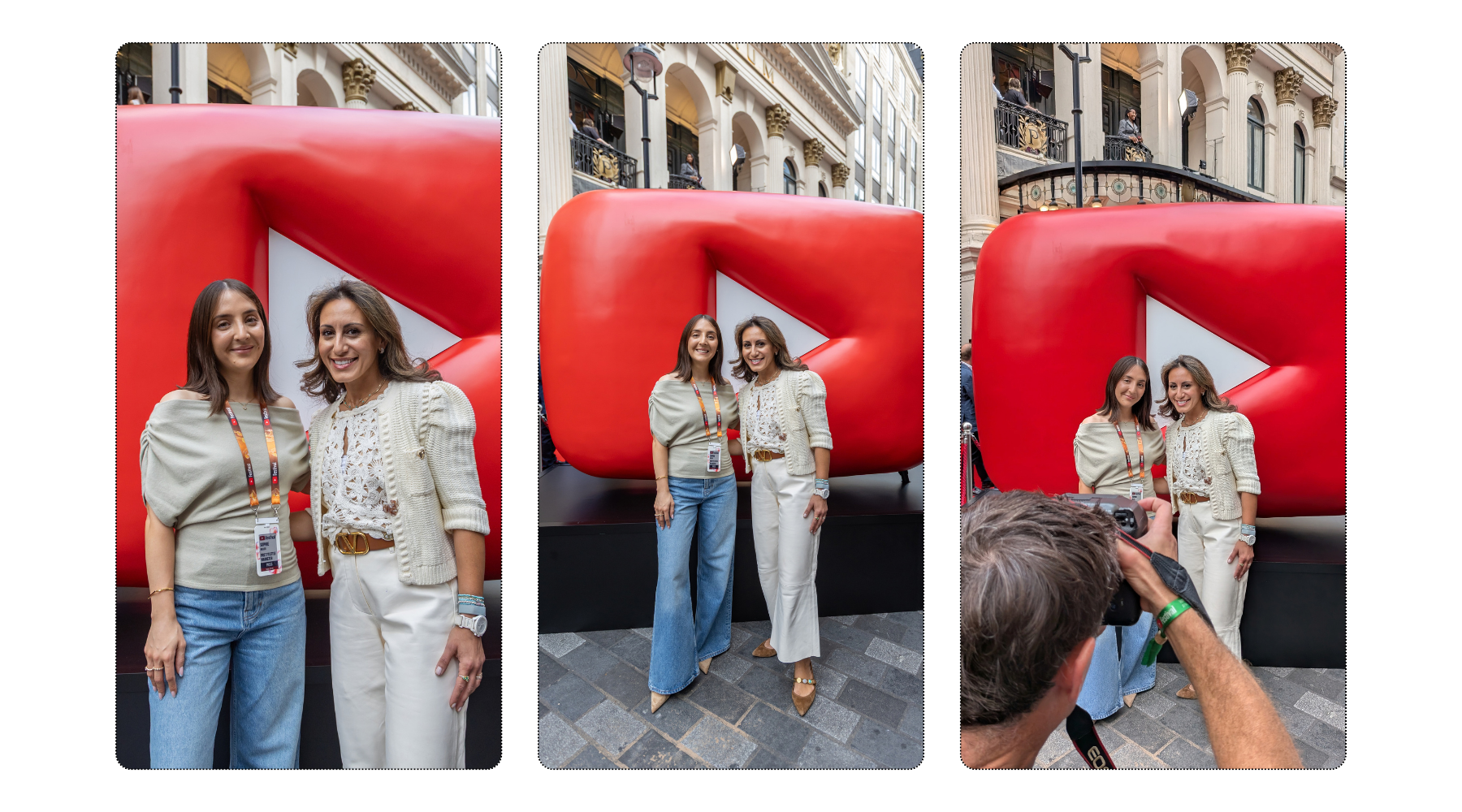
New Ipsos data shows 30.5 million UK adults now watch YouTube on a TV, spending an average of 43 minutes a day there, which is up 19% on last year, and across every device YouTube reaches 49 million UK adults a month who spend 85 minutes a day on it. What that really changes is how people are watching, because when you're on the sofa you settle in and watch something all the way through, and that's a very different habit to scrolling past a video on your phone while you wait for the kettle.
I asked Dyana Najdi, Managing Director of Advertising at Google UK & Ireland, what that shift means for the content brands should be making, and she told me: "people have always loved consuming content on the biggest screen in the household, and this shift is really being driven by our incredible creator ecosystem, who are the new Hollywood, building high quality, mainstream content that is blurring the lines with traditional media.
What's interesting for brands is that this growth isn't being driven by longform alone. YouTube Shorts has been the fastest growing format on CTV for the past couple of years, and we now see over 2B hours of Shorts watched in the living room each month globally. So whilst people love streaming content, they also like to scroll, even using a remote control! For brands, there have never been more ways to tell their story and connect with their audience in those key moments where they are fully leaned in."
Creators are the ultimate trust filter.
The creators are a big part of why people are staying. Kantar found creator ads on YouTube are on average 35% more effective at driving full-funnel brand impact than creator ads on other short-form platforms, UK viewers rank YouTube as their number one video platform when they're researching or deciding what to buy, and 81% of Gen Z say they trust creator recommendations.
I asked Dyana what she thinks YouTube creators are doing differently, she told me: "these are not passively scrolling viewers, they are deeply engaged communities of fans who are actively seeking out their content to be inspired, entertained and informed. This is why we see creators acting as the ultimate trust filter. When a creator talks about a brand on YouTube, consumers are 13x more likely to search for the brand and 5x more likely to buy.
To tap into that trust, brands need to step back and let creators lead. Expedia trusted iShowSpeed to embed the brand into his authentic journey as part of their Exspeedia.com campaign, and it resulted in 83M+ views, a 200% lift on YouTube Search and an 89% boost in Gen Z purchase intent, proving that relinquishing creative control of the brief can really pay off."
There’s more than one way in.
The good news if you're YouTube curious is that you don't have to go all in on one route to get started! Some brands build their own channel, which takes the longest but means everything you make stays yours and keeps working for you, and The Sole Supplier is a brilliant example of that. Others work with creators, and YouTube has just launched Open Call in the UK to make that easier, using AI to match your brief with creators in the YouTube Partner Programme so you can review what comes back and boost the content you love.
And for brands with bigger budgets, there's Creator Shows, a new slate of made-for-YouTube programming with creators like Rio Ferdinand, GCN and Nella Rose that brands can now sponsor or build into!
Whichever route you pick, YouTube is now fully shoppable, so a video can take someone from discovering a product all the way through to checkout, and Dyana explained: "YouTube has long played a key role in the shopping journey, from the early unboxing trends to 'Get Ready With Me' videos, where products are seamlessly integrated as part of a creator's lifestyle. There are over 40 billion hours of shopping-related content viewed every year, and when viewers watch creators they trust, attention turns into action. The best part is that this content is evergreen. Unlike other platforms where a cultural moment is gone the next day, 40% of a video's views on YouTube happen more than a month after it goes live, which essentially means there is no sales expiry date. And with our newest affiliate updates, we are essentially putting a brand's catalog directly into the hands of the internet's most trusted voices."
The catch is that you're already stretched.
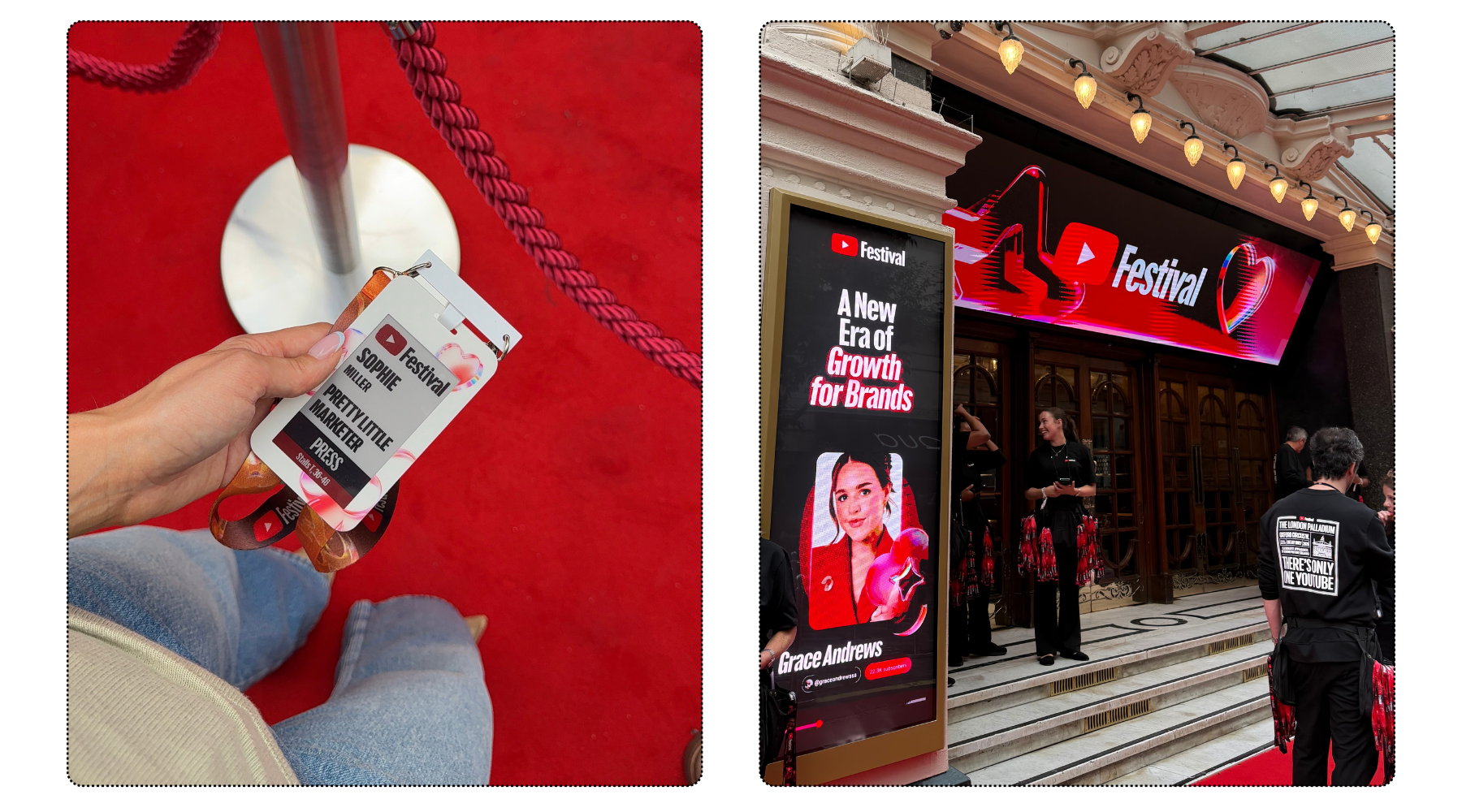
Most of you are running Instagram, TikTok and LinkedIn with the same budget and the same team, so the idea of adding another channel can feel like a lot, especially one that asks for longer content and a bit more patience than a feed does.
So I asked Dyana where someone in that position should start: "it's easy to get started on YouTube with a Bring, Build, Boost strategy.
Bring: start with an easy lift-and-shift of your existing assets, using free AI tools to reformat content into Shorts or vertical video.
Build: partner with creators to co-create authentic assets, using Creator Partnerships to discover creators who already love your brand.
Boost: put paid support behind top-performing organic and creator content to amplify reach and drive measurable results. The added benefit is that we see 45% of Shorts users are not on TikTok and 65% are not on Reels, so this is a great way to extend reach."
I also asked a creator and a brand what they’d say to anyone who’s YouTube curious, and both of them made it sound a lot less scary than it feels!
Jade Beason, a YouTuber with 300k subscribers and founder of The Creator Project, told us you don't have to go in blind: "There are lots of ways to validate your ideas and formats before you invest serious time and budget into long-form, TV-quality videos. One is to borrow before you build, by partnering with a creator who already has the trust of your audience, paying attention to what lands with their community and using those insights to shape your own content.
Another is to lean on Shorts to test ideas quickly and find your voice, then take the ones that fly and turn them into longer videos people will happily watch on the big screen. It takes a lot of the guesswork (and the pressure!) out of it, especially when you're already stretched."
And if you're already making short-form, George Sullivan, founder and CEO of The Sole Supplier, has a theory that makes the jump feel a lot smaller, which he calls the Petrol Station Principle: "have you ever been to the petrol station and filled up one fifth of a tank, then gone back next week and done the same? That's just like short-form video. 80% of the effort for a 90 second video is planning the idea, finding the location and filming the content, so why not make 20% more effort to capture the three minute version? After all, YouTube can get you 10 to 20 times more average watch time. If you're making all that effort, always fill up a full tank and get the maximum you possibly can."
Join the list
We save our biggest ideas for the inbox. Entered the chat and Deep dive go deeper than we ever do on the grid, sign up to get them first.
Sign up to receive updates and marketing emails from us. You can unsubscribe at any time.